Taxonomy
Common Name: Ladyfinger cactus
Botanical Name: Mammillaria elongata DC.
Synonyms: 1, 2
Neomammillaria elongata (DC.) Britton & Rose (1923),
Leptocladodia elongata (DC.) Buxb. (1960),
Leptocladia elongata (DC.) Buxb. (1951),
Krainzia elongata (DC.) Doweld (2000),
Chilita elongata (DC.) Orcutt (1926),
Cactus elongatus (DC.) Kuntze (1891)
Family: Cactaceae (Cactus)
Morphological Characteristics
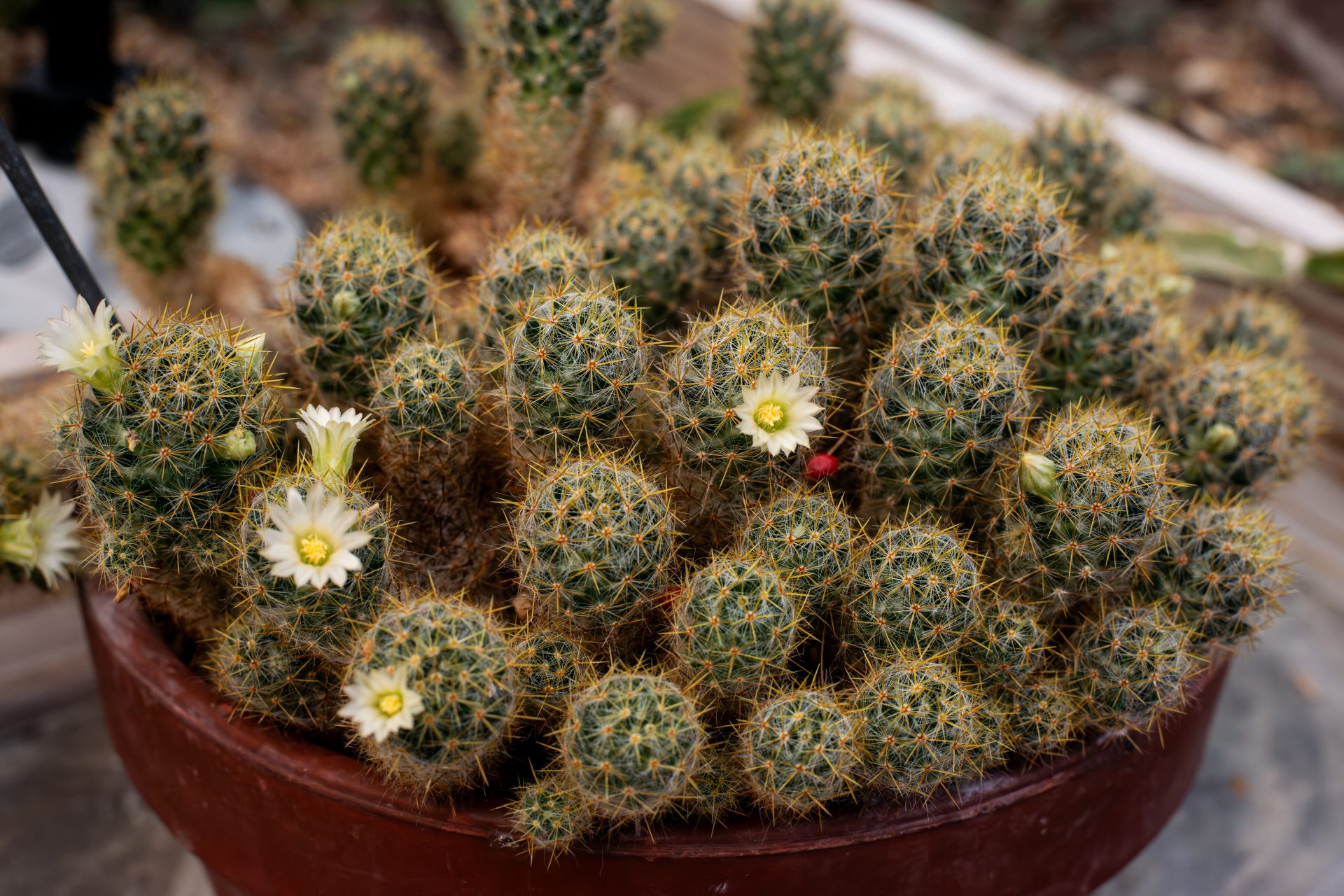
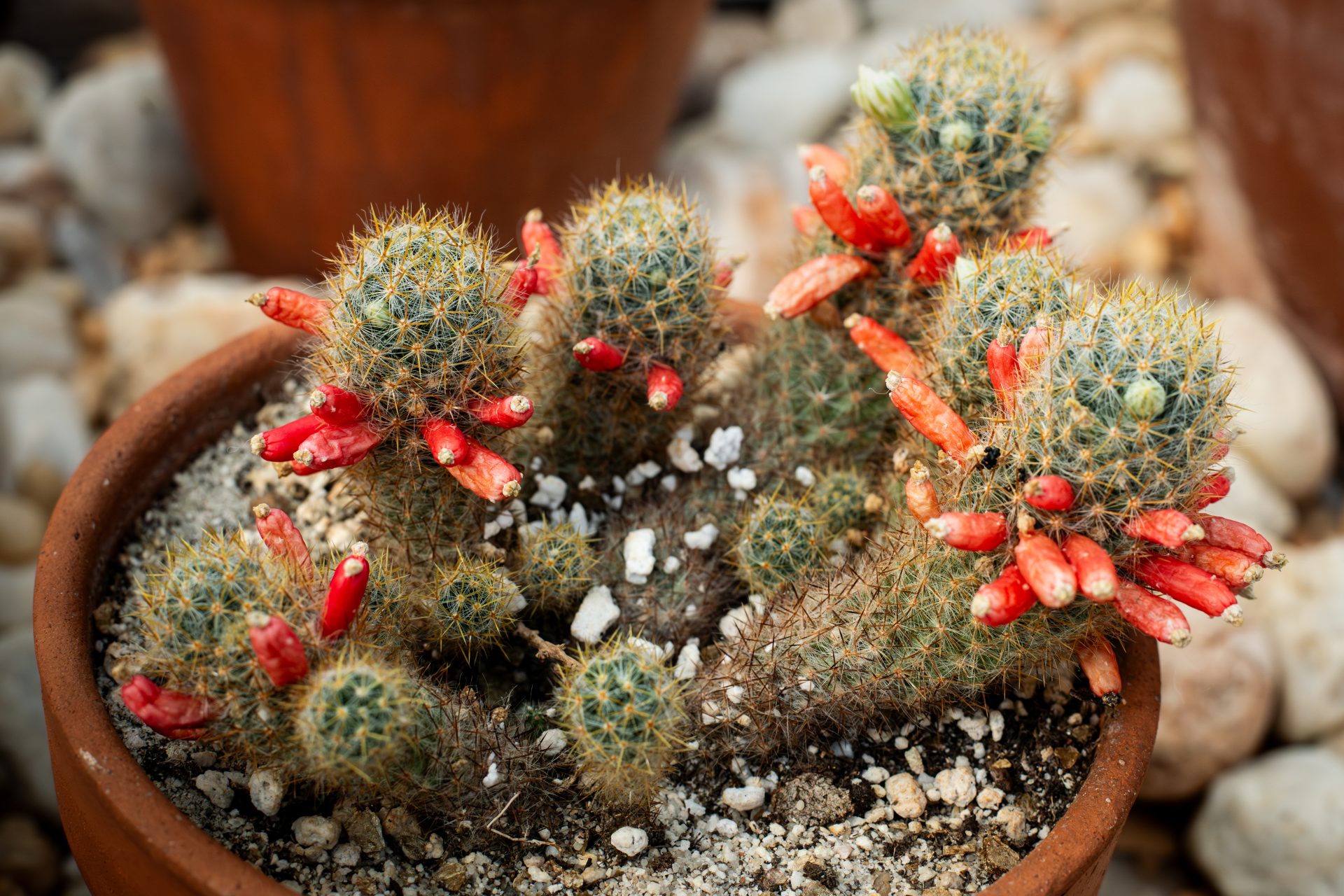
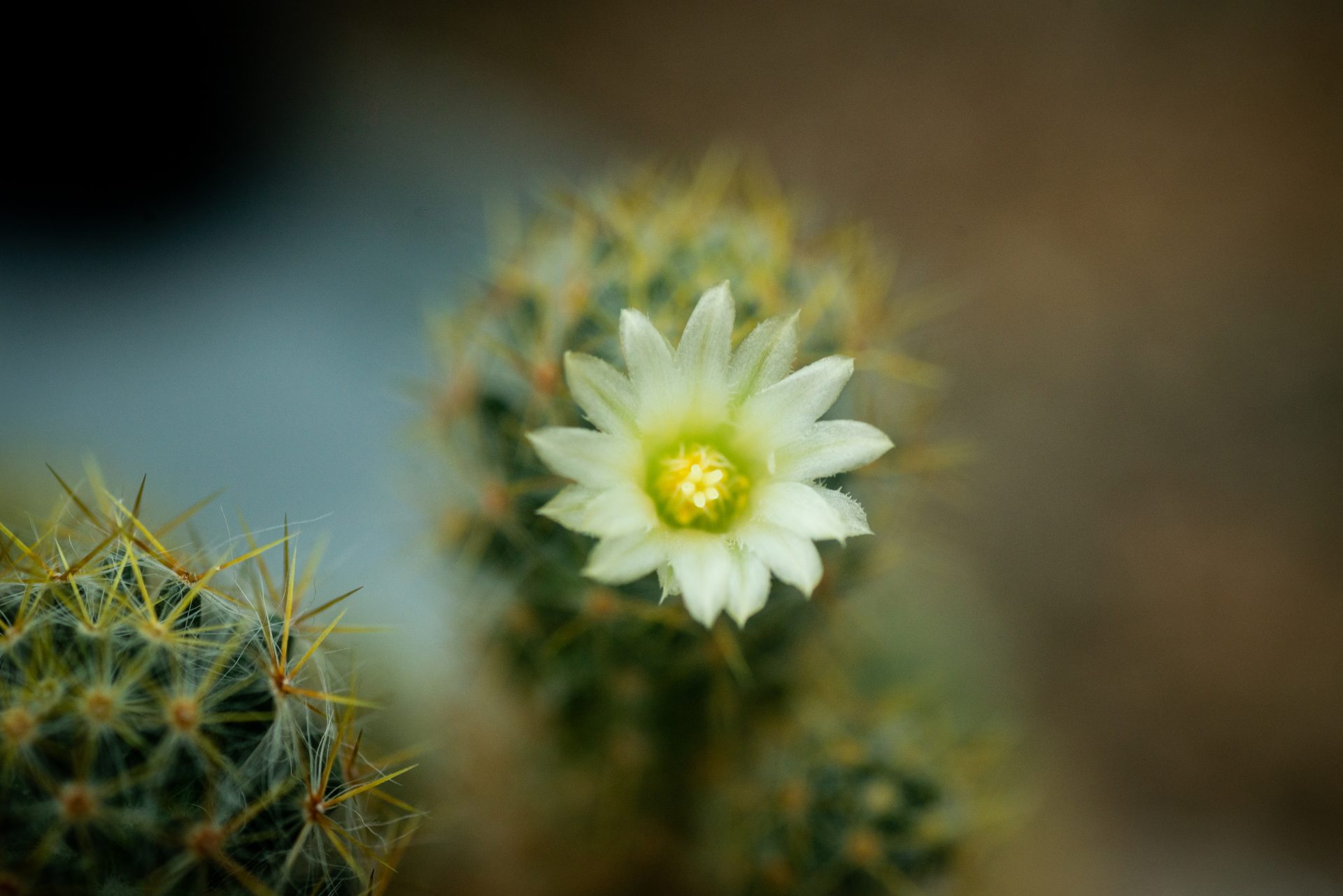
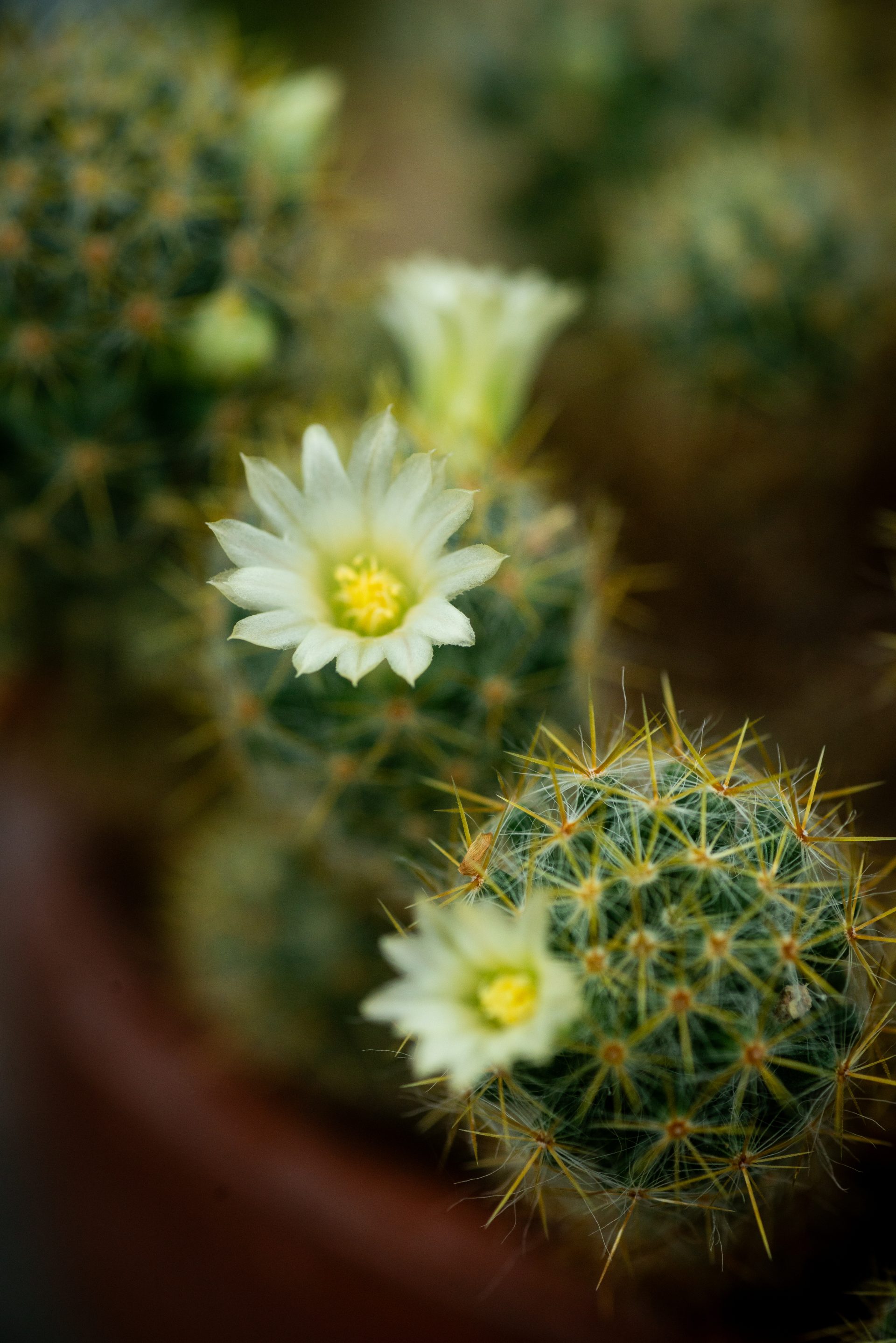
This small cactus is made of densely clustered, elongated stems, which are covered in overlapping, curved yellow and brown spines and thin, hair-like spines. It tends to form short thickets. They flower in the spring and produce small white-yellow flowers (or sometimes pink) along the stem. They are also often covered in an iconic red, elongated fruit.

Mammillaria elongata with flowers
Mammillaria elongata with Fruits
Mammillaria elongata Macro Floral Photo 2
Mammillaria elongata Macro Floral Photo
Mammillaria elongata Macro Fruit Photo 2
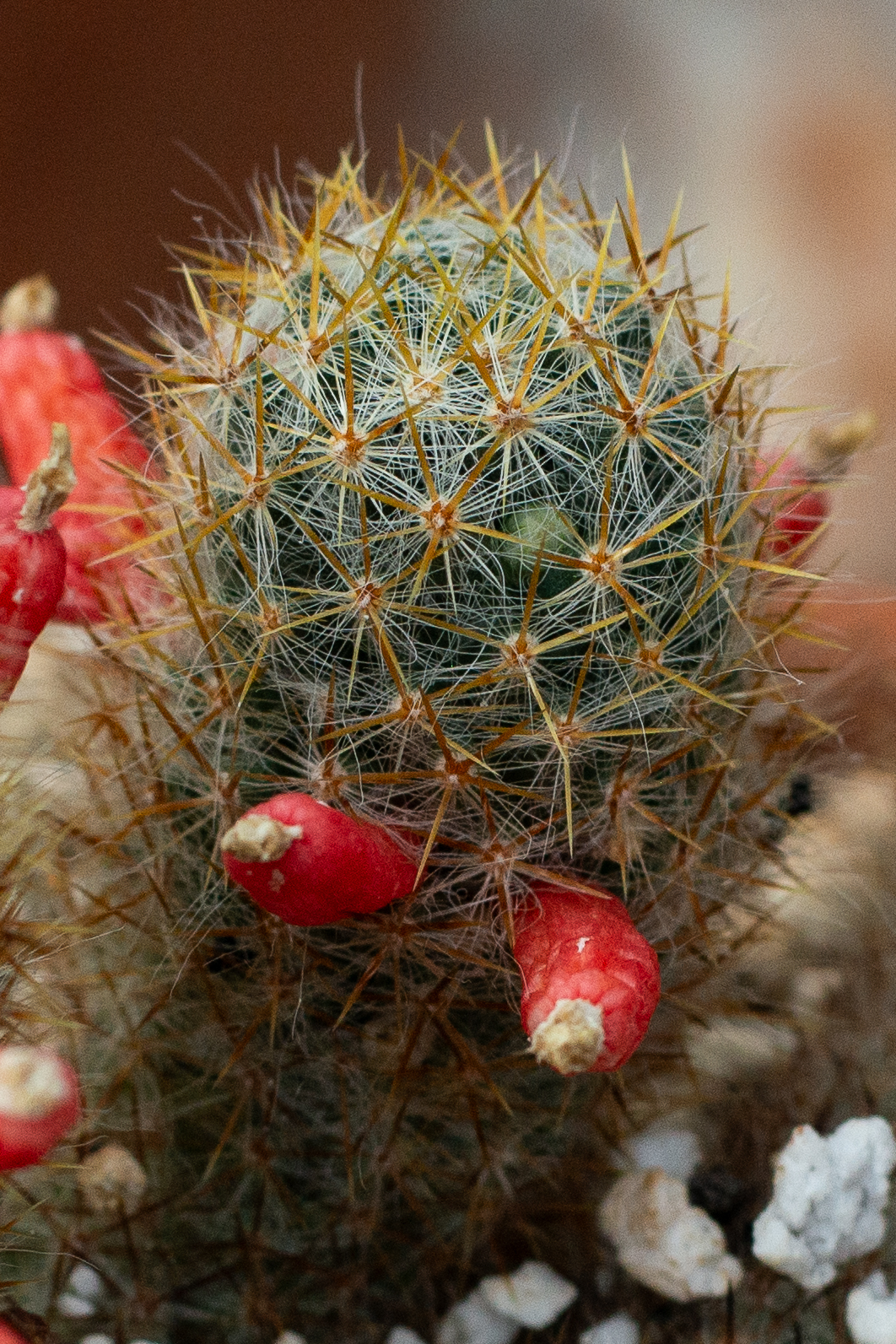
Mammillaria elongata Macro Fruit Photo
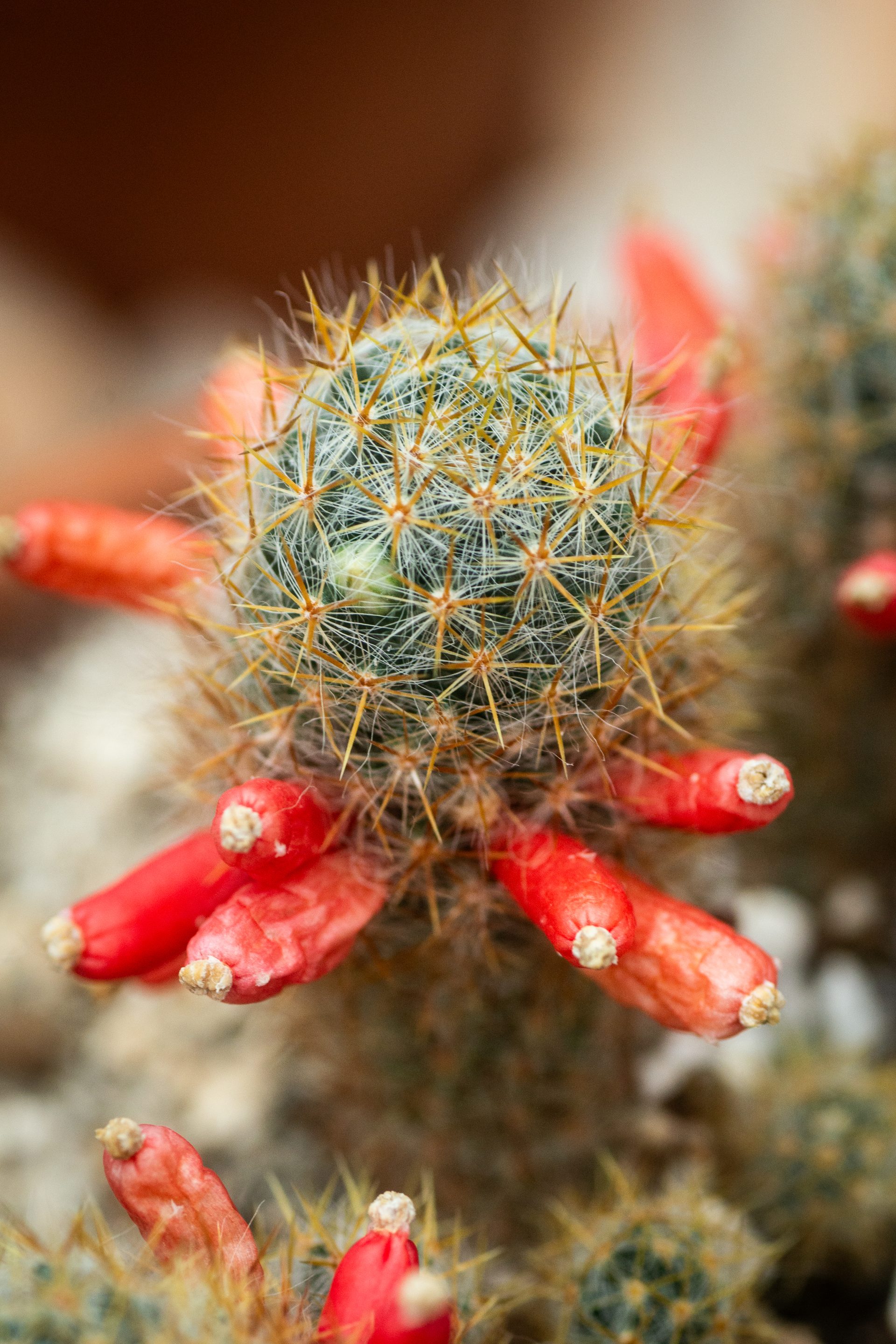
Ecology, Distribution, and Use
Conservation Status: Least Concern3
Conservation Concern:
This species is believed to be abundant in its native distribution, though there is concern it may be decreasing due to its limited distribution and habitat decline due to mining and land conversion.3
Geographical Range:
The ladyfinger cactus is endemic (native) to Mexico, specifically the states of Guanajuato, Hidalgo, and Querétaro, where they tend to grow between 1,300 and 2,300 meters above sea level. 4
Ecoregion: Central Mexican matorral
Ecological Interactions:
Cactus species are vital in desert ecosystems where they help stabilize soil, store water, and provide food and shelter for animals.
Ethnobotanical Use:
This species is an incredibly popular horticultural plant and is beloved by houseplant enthusiasts. It has been awarded the British Royal Horticultural Society’s Award of Garden Merit.5 The fruits are also edible and sometimes referred to as “chilitos”.6
Sources
- Kew Gardens
- IPNI
- IUCN Red List
- Mapping the Cacti of Mexico Part II: Mammillaria, Hernández & Gómez-Hinostrosa, 2004
- Royal Horticultural Society’s Award of Garden Merit – Mammallari elongata
- Ethnobotanical, nutritional, and medicinal properties of Mexican drylands Cactaceae Fruits: Recent findings and research opportunities, Ramírez-Rodríguez et al, 2020