Common Name: Cabbage Palm
Latin Name: Sabal palmetto
Family Name: Arecaceae (Palm)
Geographical Range: The Cabbage Palm is native to the southeastern United States, particularly in Florida, as well as parts of the Caribbean and Mexico.
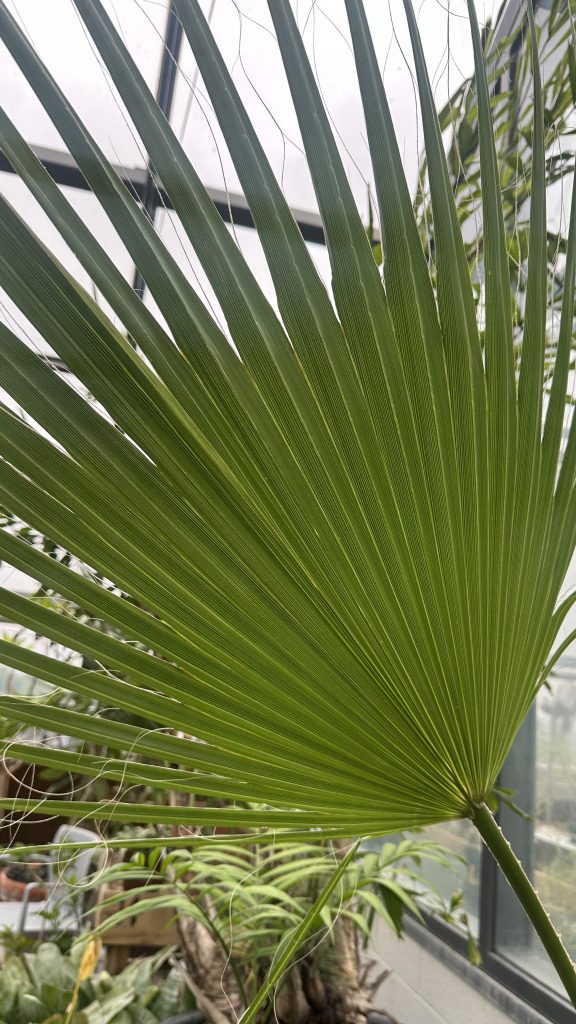
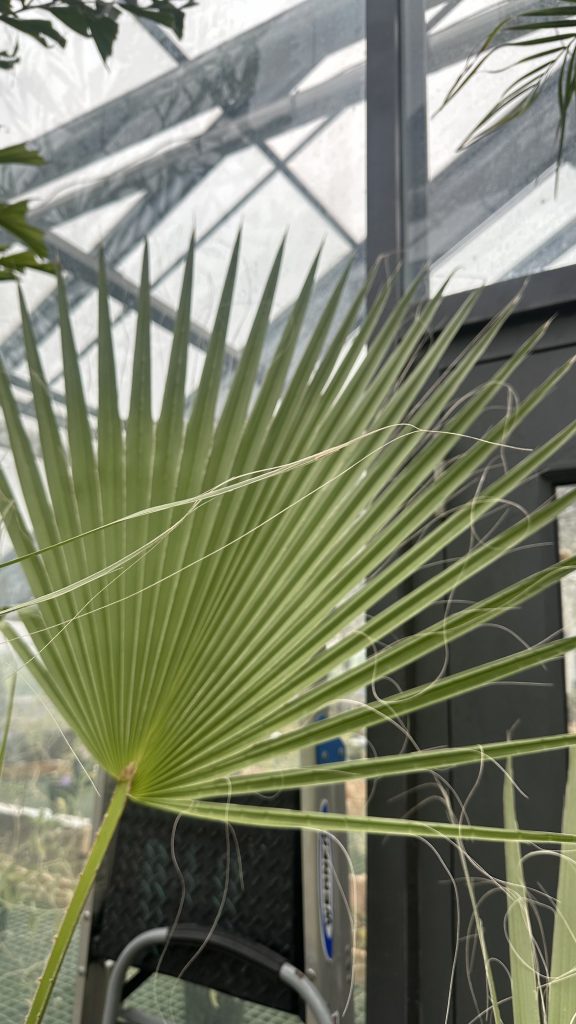
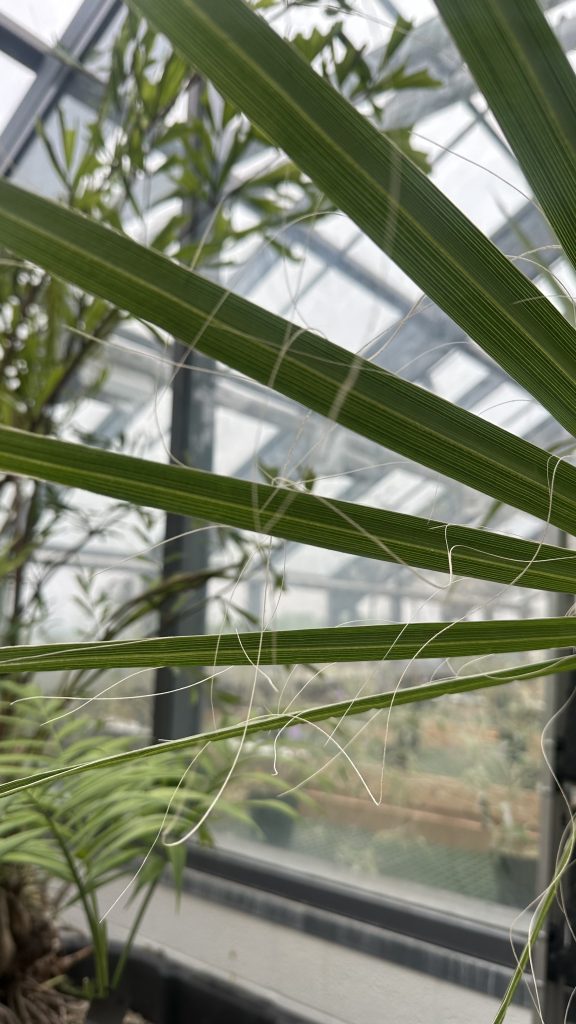
Fun Fact: The Cabbage Palm is the state tree of Florida and can live for more than 100 years. It is known for its fan-shaped leaves that can grow up to 5 feet wide.
Uses by people: The young heart of the palm (the “cabbage” part) is edible and can be harvested and eaten. The leaves are used for thatching roofs, making baskets, and crafting traditional palm fronds. The wood is also used in construction and for making furniture.
Uses by animals: Provides habitat and food for various wildlife species. Birds often nest in the fronds, and the seeds are consumed by a variety of birds and small mammals. The palm also serves as a host plant for several species of butterflies and insects.
Roles in their ecosystem: They help stabilize the soil with their extensive root systems, preventing erosion, especially in coastal areas. Additionally, their fronds provide shade and habitat for understory plants.